


The home lab world has changed dramatically over the last few years and it continues to change. Not long ago, most of us were building traditional virtualization stacks, a handful of Linux virtual machines, maybe a NAS, and running Docker containers. A lot of that is still happening. However, today the landscape looks a LOT different. today we have seen the rise of Proxmox VE Server trouncing VMware, local AI workloads, immutable Linux distros, lightweight Kubernetes platforms, infrastructure as code, and a lot more automated and self-healing environments. What’s more, these tech stacks are no longer experimental. They are mainstream and useful for everyday home labs. I have been paying attention to where things are heading next. While no one has a crystal ball for the future, there are several trends that I believe will have a major impact on home labs in 2027.
Proxmox VE will continue benefiting from the VMware migration
I will start by what I think is an easy one to predict. That is the continued migration away from VMware over to Proxmox. In reading through on Reddit what real-world people in organizations are seeing moved to from VMware, Proxmox seems to be getting a lion’s share of customers from VMware. Even when compared to the arguably more mature Hyper-V, people just like Proxmox better.
Check out my deepdive on Proxmox VE 9.2 here: Proxmox VE 9.2 Is Here: 7 New Features That Actually Matter.
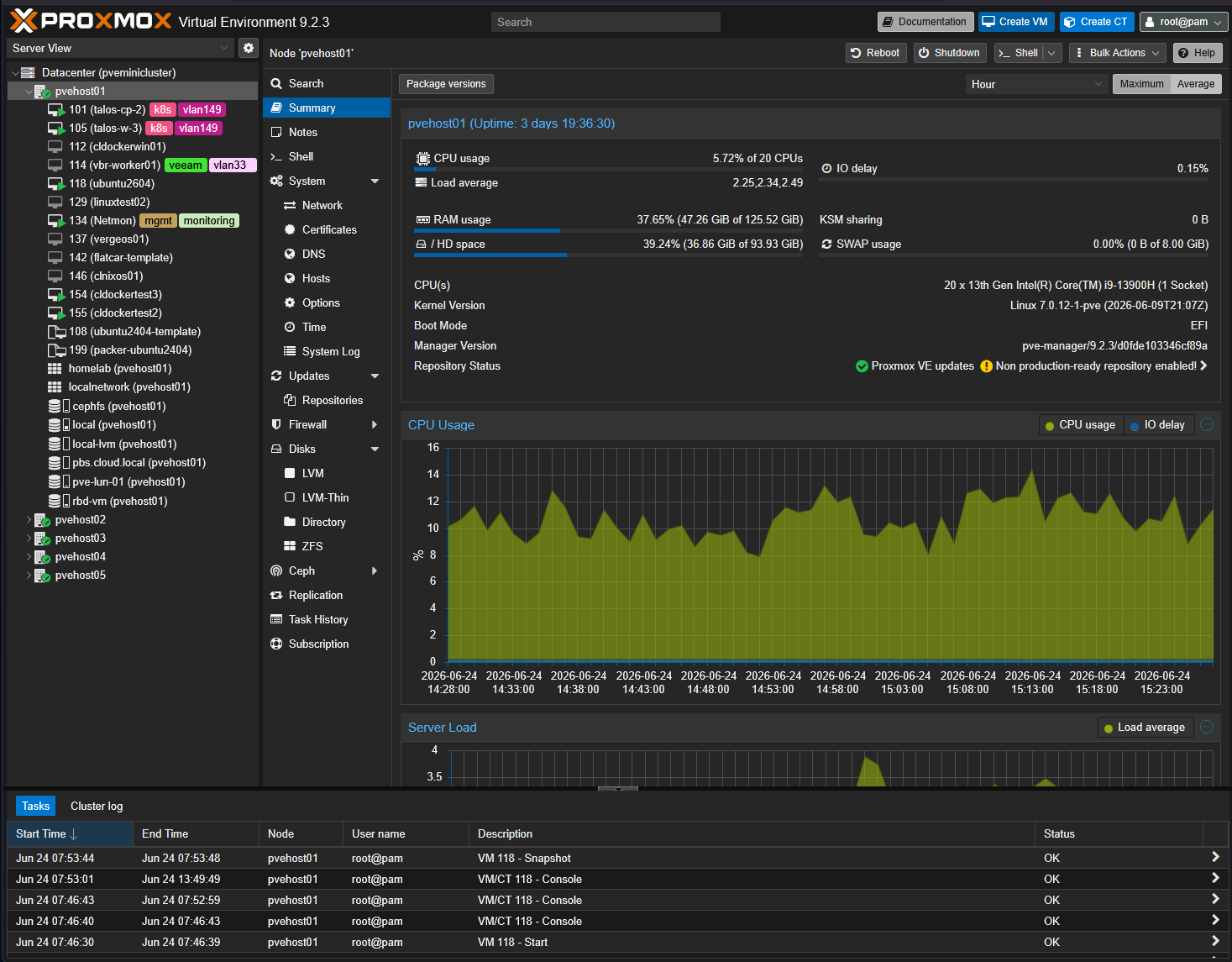
If I had to identify the biggest winner in home lab virtualization over the last two years, it would hands down be Proxmox VE. As Broadcom continues to melt down and make silly decisions when it comes to their customers (surprise VVF is gone! No wait, it is back? No wait, it was really gone all this time or was it?), the impact is real. Customers don’t want this kind of uncertainty and I think that is the plan from Broadcom. Shed as many customers as possible. If this is their intentional move, it is well played as it has been successful. In my circles, I have seen no one want to renew with Broadcom.
Proxmox VE was already a capable platform before those changes happend. What happened afterward was an explosion of adoption, community growth, content creation, and ecosystem development. The platform continues maturing at a rapid pace and it shows as the major backup vendors like Veeam have picked it up as a supported target which is a tremendous success signal in its own right.
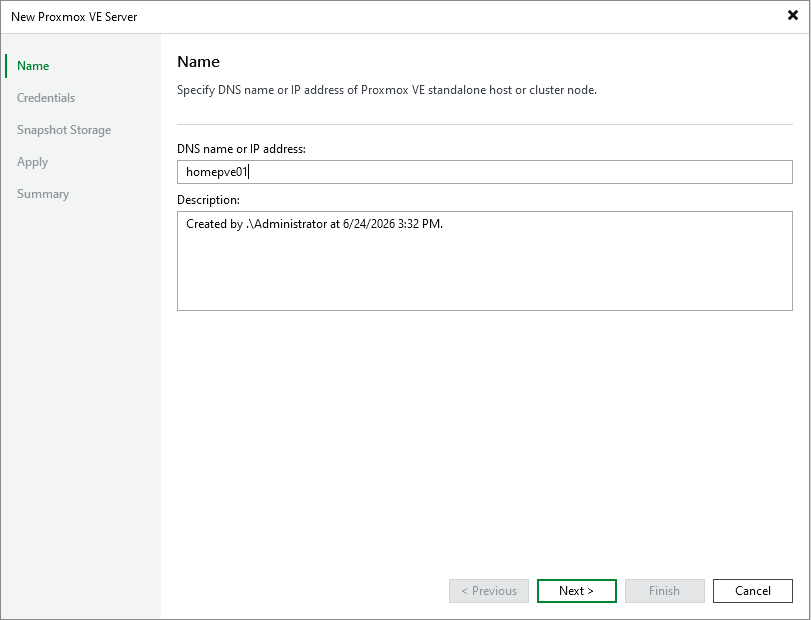
As we move toward 2027, I expect Proxmox VE to continue strengthening its position as one of the most important virtualization platforms in the home lab space AND the enterprise.
AI agents will begin to be trusted to manage infrastructure
We have already seen a wealth of YouTube videos from creators showing how their home labs are being managed by virtual agents and trusting them with basic and even more advanced troubleshooting when things break. I think we will see this trend only continue.
AI agents have the maturity to know how to run even advanced infrastructure like Kubernetes very effectively and efficiently and they can work 24x7x365 and not break a sweat. We are already seeing this, but imagine an agent that can investigate a failed container deployment, examine logs, identify a likely root cause, and suggest a fix.
Imagine a monitoring alert triggering an AI workflow that gathers diagnostics before you ever log in to the system. then, imagine an assistant that can automatically generate infrastructure documentation based on your environment.
These capabilities are already starting to appear in enterprise environments, and I think they will eventually make their way into home labs as well. We are still early in this journey, but I believe 2027 may be the point where many home lab enthusiasts begin trusting AI to perform operational tasks rather than simply answer technical questions.
Local AI will move from experimentation to daily use
One trend that has surprised me is how quickly local AI has improved and I have tested some really cool solutions that have surprised me at just how good they have become, like OpenCode. A year ago even, many local models just felt like they were built for very basic demonstrations instead of being practical.
Check out my post on creating a self-hosted AI agent with OpenCode: I Built a Local AI Coding Agent Home Lab Setup With OpenCode and Ollama.
Also, they revolved more around Chatbot style AI and not really good for AI agents. But that is no longer the case. Local models are now becoming powerful enough for running local AI agent experimentation with things like OpenCode and other tools.
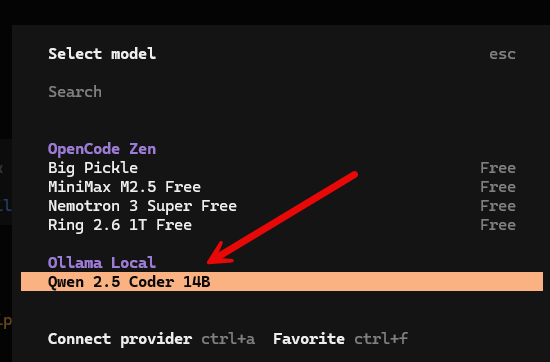
The models are getting smaller, faster, and more powerful with each new release. The software development ecosystem keeps getting better. Hardware options are also improving even though things are still super expensive.
So instead of running GPUs for experimentation, i think we will be seeing more home labbers deploying local AI services not just because they are interesting and fun, but because they can actually do things in the realm of running home lab services, whether this is in coding assistance, creating documentation, troubleshooting, home automation, AI agents, etc.
By 2027, I would not be surprised if local AI becomes as common in home labs as self-hosted DNS servers are today.
Immutable Linux will become much more common
This is one that I am betting on more that we will see more immutable Linux as a service type distros becomes more and more popular in the realm of home lab environments. Linux distros like Ubuntu server works extremely well, but if you want something that self-maintains and doesn’t require you to stay hands on with it as much, immutable Linux is definitely the way to go.
With immutable Linux, the operating system itself becomes a read-only and predictable OS that just serves its purpose. Configuration is managed by your config file, updates are image-based, and systems are easier to rebuild.
Check out how to deploy Flatcar in Proxmox: I Installed Flatcar Linux on Proxmox and It’s Not Like a Normal Linux VM.
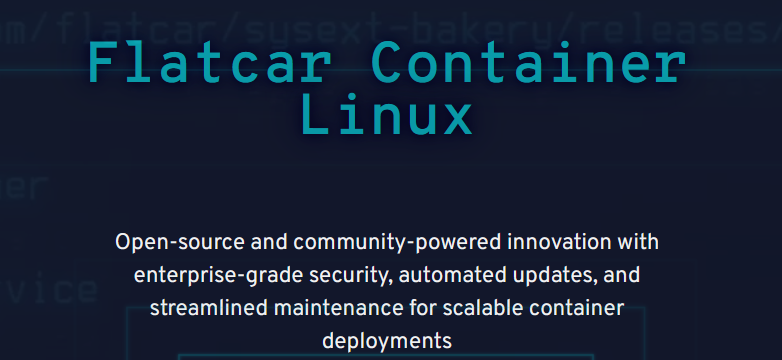
I have been experimenting extensively with Flatcar Linux in my home lab, and the experience has been eye-opening. Once the initial learning curve is over, the operations benefits are amazing. I think distributions such as Flatcar Linux, Fedora CoreOS, and Talos Linux will continue gaining momentum, especially for dedicated container hosts.
I do not expect immutable Linux to replace traditional Linux distributions overnight. However, I do think many home labbers will begin using immutable operating systems for at least part of their infrastructure over the next couple of years.
Containers will become the default
I think in 2027 if ones haven’t started working with and deploying apps with containers, they will begin to do that. The RAM shortage and crunch has also played into this acceleration I think. With less resources to play around with, fewer people want to run “wide” VMs that unnecessarily eat resources.
Instead, you have one or a couple of container host VMs and then run your apps and services as containerized infrastructure with a much lower footprint than virtual machines we used to all run in days gone by. Why I deploy services now, my default assumption is that they will be able tor un in containers unless there is a hard reason they need to be installed in a bare-metal VM.
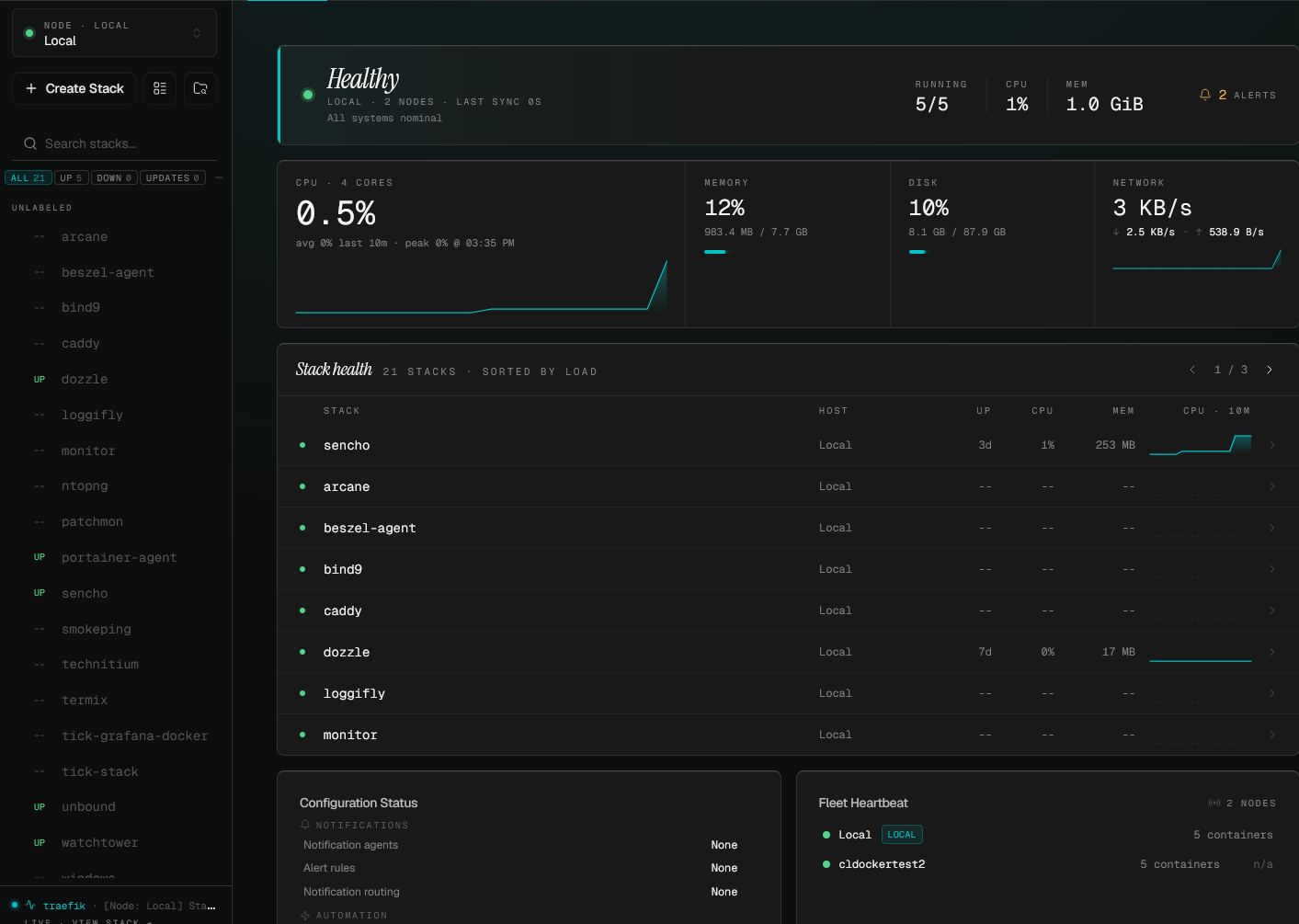
Containers have been growing steadily for years, but I think they will become even more dominant moving forward and again, things will continue to accelerate. Docker Compose remains incredibly popular, but I am also seeing a lot of interest in Podman and Quadlets as organizations and enthusiasts look for alternatives that integrate more closely with Linux and systemd.
What is interesting is that containers are no longer limited to developers. Home lab enthusiasts, IT professionals, and infrastructure teams are treating containers as the standard application deployment model.
Lightweight Kubernetes will continue growing
For years, Kubernetes felt like overkill for many home labs. The learning curve felt incredibly steep. Resource requirements were not minimal. However, now, the picture is changing. New, very minimal, Kubernetes distributions like K3s, Talos Linux, MicroK8s, and others like MicroCloud, have made Kubernetes much more approachable.
Also, now that generative AI has gone mainstream, the learning curve with Kubernetes doesn’t hold the barrier to entry that it used to hold. You can in a few minutes with a chat session with Claude or another provider have it help you figure out even very complicated Kubernetes configurations and YAML syntax issues.
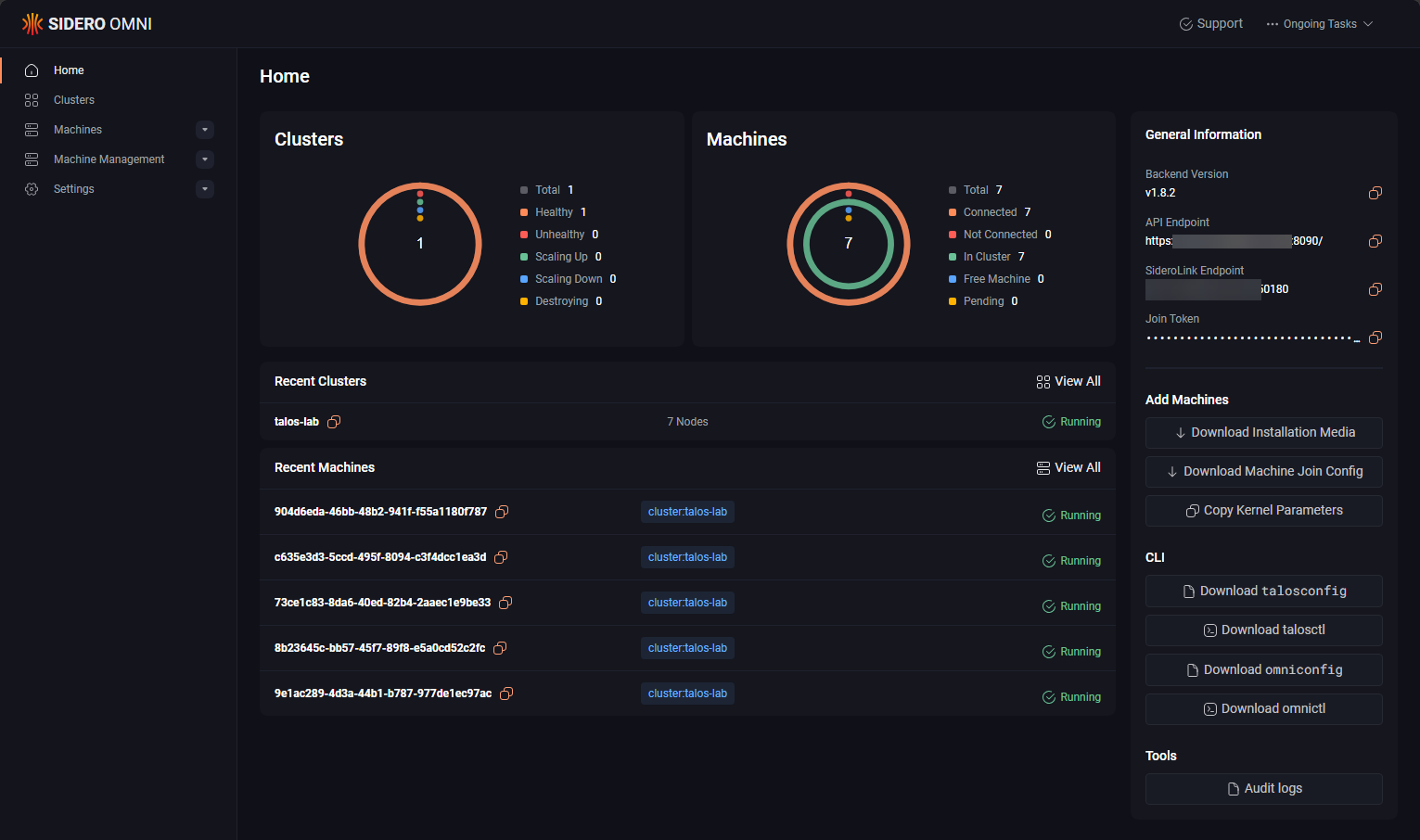
I do not think every home lab will run Kubernetes by 2027. But, what I do think is that more enthusiasts will have at least one Kubernetes cluster in their environment and more will be trying it out. More applications provide Helm charts and Kubernetes-native deployment options.
So, I do think we will see this trend towards lightweight Kubernetes distros continue in the home lab and more will try out K8s for their “production” home lab services.
GitOps will become a normal home lab skill
I know for me, GitOps felt like an upper echelon skill that only top devs knew about. But now, especially with AI helping, GitOps is very attainable and has a much lower barrier to entry.
There are also great self-hosted and lightweight Git solutions like Gitea and Forgejo that are easy to spin up now that allow ones to start self-hosting their own Git repos. With that being the case, many home lab enthusiasts are already storing Docker Compose files, Kubernetes manifests, automation scripts, DNS configurations, and infrastructure documentation in Git repositories.
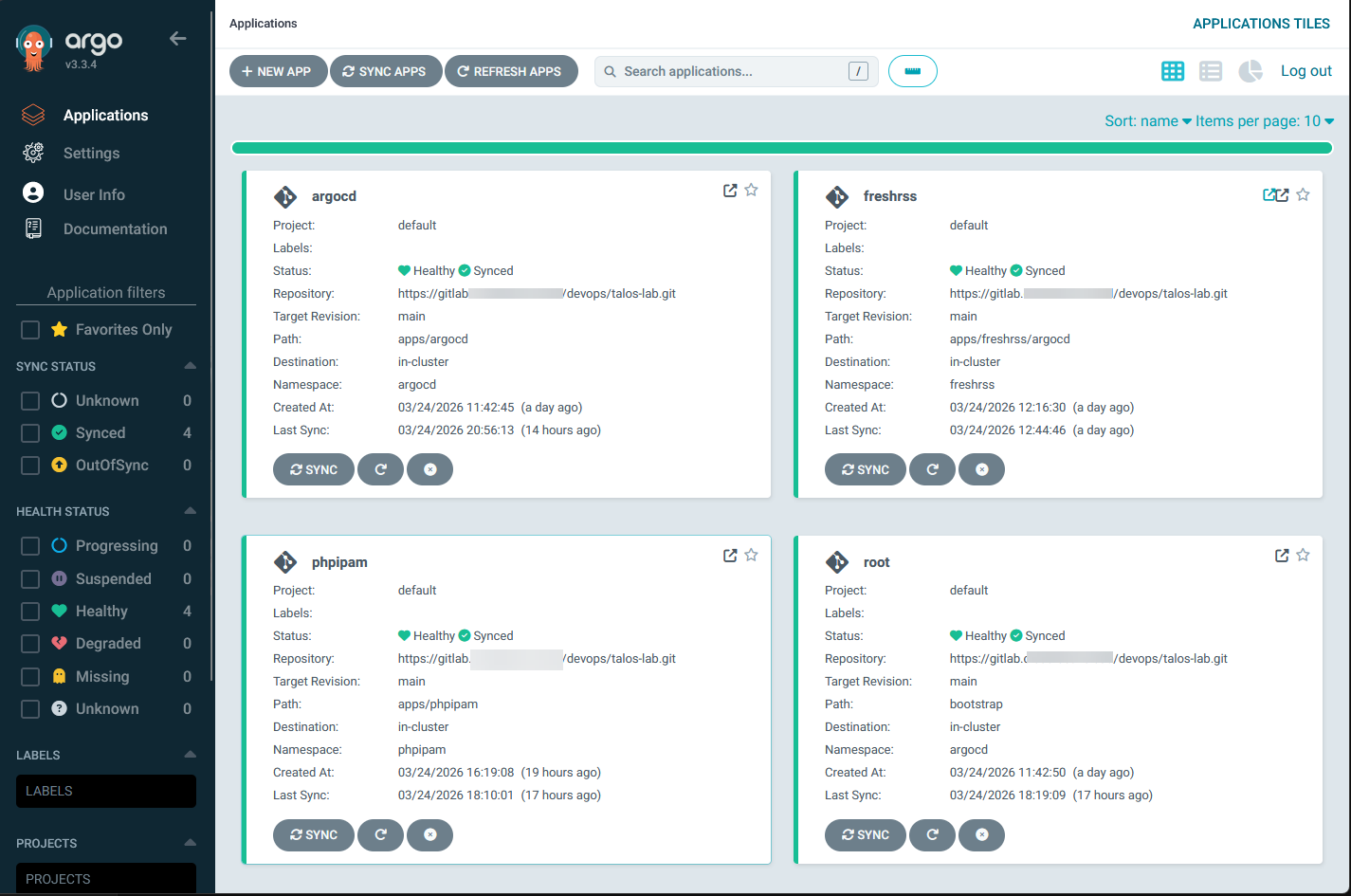
Now that I have moved my prod services to Talos Linux Kubernetes, I have implemented GitOps with ArgoCD and haven’t looked back since then. Git-based workflows will give ones the structure and consistency that are hard to achieve doing things in a manual way in the home lab. Plus you will gain skills you can take to any production environment.
Home labs will become more and more automated
An underlying theme to the home lab of the future is automation, thanks to AI. With the automation resources we now have at our fingertips, we have all the tools that are needed to basically streamline and automate until our heart is content. All of us want to reduce manual work that is repetitive and boring.
That has been my own direction. I now spend less time performing routine maintenance and more time experimenting with new tech in the home lab. A lot of this has been thanks to Kubernetes and also immutable Linux hosts.
The most successful home labs in 2027 may not be the ones with the most CPUs, the most storage, or the largest clusters. They will be the ones that require the least manual effort to operate.
Wrapping up
I think we are going to see the home lab space evolving faster than ever from now into next year and beyond. Some tech that seemed experimental or science fiction just a short time ago are now becoming practical solutions we can self-host. It is crazy! If I had to summarize the biggest home lab trends I am watching for 2027, they would be the continued rise of Proxmox, local AI, container-first infrastructure, GitOps, lightweight Kubernetes, and increased automation across the board. What about you? What do you predict to be important in 2027 and trends that we continue to see gain momentum?
More in this topic

Google is updating how articles are shown. Don’t miss our leading home lab and tech content, written by humans, by setting Virtualization Howto as a preferred source.
About The Author

Good article Brandon. I am really wondering about RAM prices this next year, but not thinking they will go down any time soon.
I’m pretty much the opposite on almost every one of these. Some make no sense in the homelab or are too annoying. I also don’t expect hardware to come down much ever again. There’s little reason for it to, pricing a lot of people out of the homelab space.
Johng,
I appreciate everyone’s take on this and I definitely don’t have a crystal ball 😁 But some of these trends I think are kind of the evolution of where we are with technology in 2026. I do think we are long past the days where we can just have hardware with as much RAM as possible, but this is one of the driving reasons I think home labs are no longer going to be virtual machine ‘zillas, but instead running everything in containers with small footprints on economical mini PCs.
Brandon