



One of the exciting things that I love about running a home lab is discovering new community projects before they become mainstream. Every so often there are projects that appear on GitHub and Reddit discussions that definitely make the radar of projects to watch. Every once in a while, there are a handful that stand out because they are tackling real infrastructure challenges. As I have written a lot about lately, I am more particular with the projects I take the time to deploy into my home lab. I look for projects that solve real problems. If you enjoy virtualization, containers, networking, automation, and self-hosting, these are projects worth paying attention to.
Pi-hole native HA
For years, one of the biggest weaknesses of Pi-Hole has been the lack of a HA solution that is native to the solution. I have written about this recently, but I think this is why Technitium has gained momentum with the introduction of clustering in Technitium version 15.
However, the common solution for self-hosters and home labbers is to use a couple of other community projects out there. One is “Gravity Sync” that only works through Pi-Hole v5. Then there is the newer “Nebula Sync” that is the way forward with Pi-Hole v6. These solutions are “outside” the Pi-Hole solution itself and then these synchronize the settings from outside Pi-Hole between your two instances that you have setup. This is why Pi-hole HA immediately caught my attention as a project to watch closely.
The new Pi-hole HA solution brings the features like config synchronization, DHCP failover, virtual IP management, and clustering all together into an integrated solution that exists in the native Pi-Hole UI. Self-hosted DNS is the core central technology that most of us stand up out of the gate when setting up a home lab. Having your own name resolution is an important building block.
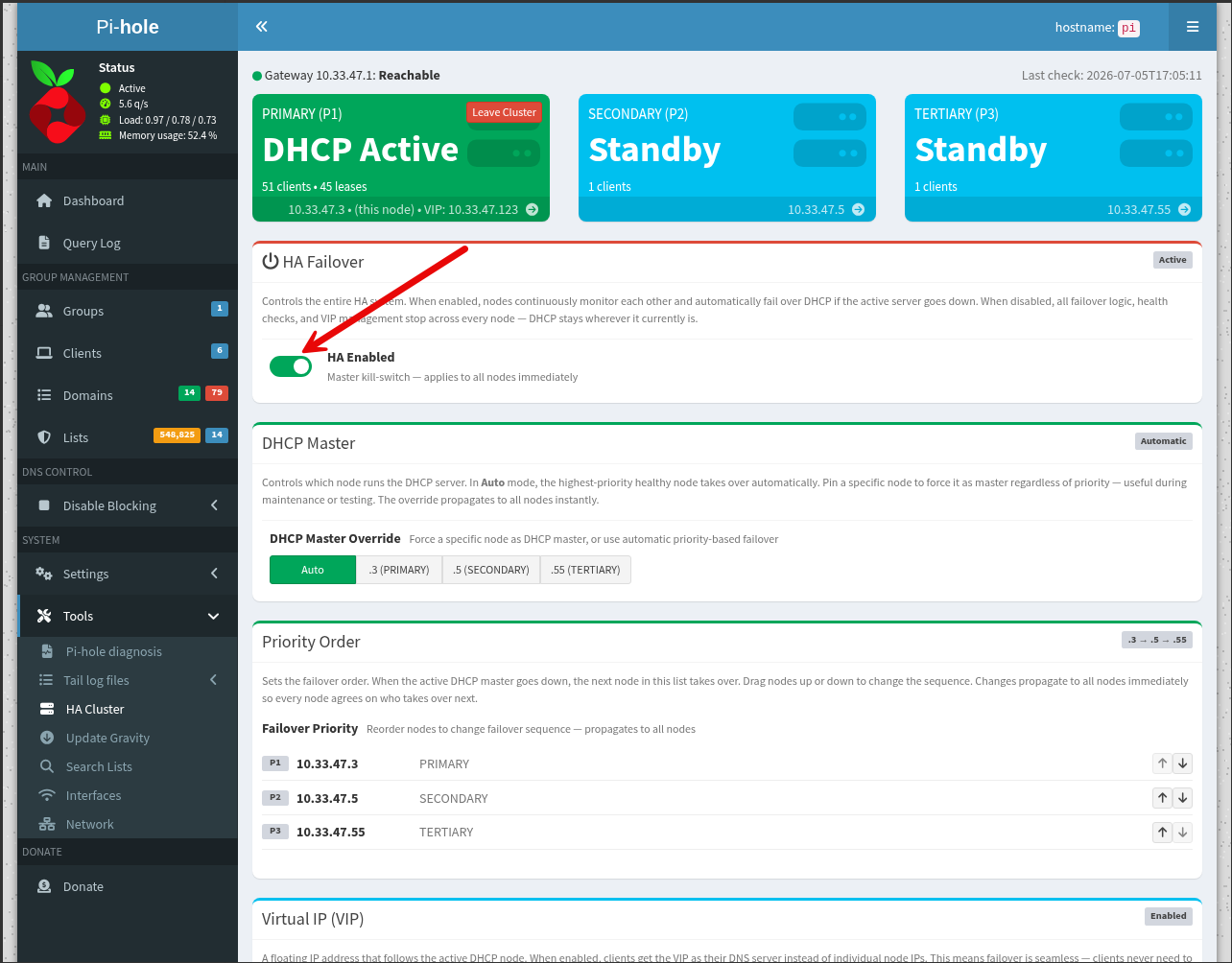
I will definitely be following its development closely as it continues to mature as I think this is more of what everyone has been wanting for years. It would be great to see this get incorporated into the “official” feature set.
Sencho
Sencho is one of the coolest Docker Compose managers that I have tried out in a while. After trying it out and running it through the paces, it is an extremely full-featured solution that has features I haven’t seen in others.
These Docker managers are extremely powerful and useful, especially if you are just starting out. But, even after you are fairly comfortable with Docker, being able to click around and do what you need to is a lot easier than having to do everything from the command line. My goto’s over the years has been Portainer, Komodo, Arcane, etc. And, I have tried a lot of the other projects out there.
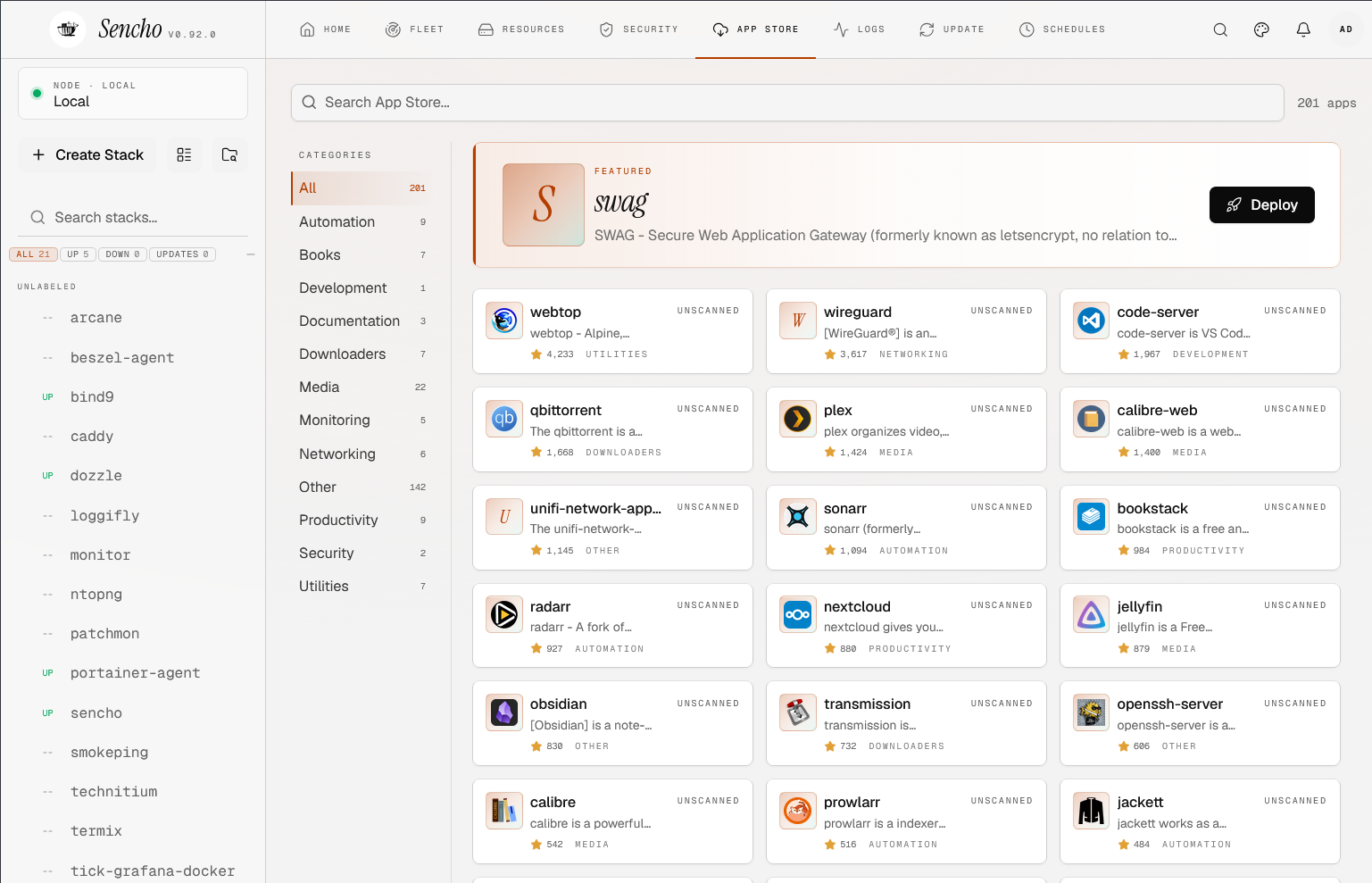
Sencho though I think has a fresh take on Docker Compose management on your Linux hosts like NixOS. It understands your compose projects, it can take snapshots of your Docker configs, and there is a marketplace within the app to easily install apps that are popular to self-host.
Check out my full write up on Sencho here: Sencho Might Be the Docker Compose Management Tool Home Labs Have Been Waiting For.
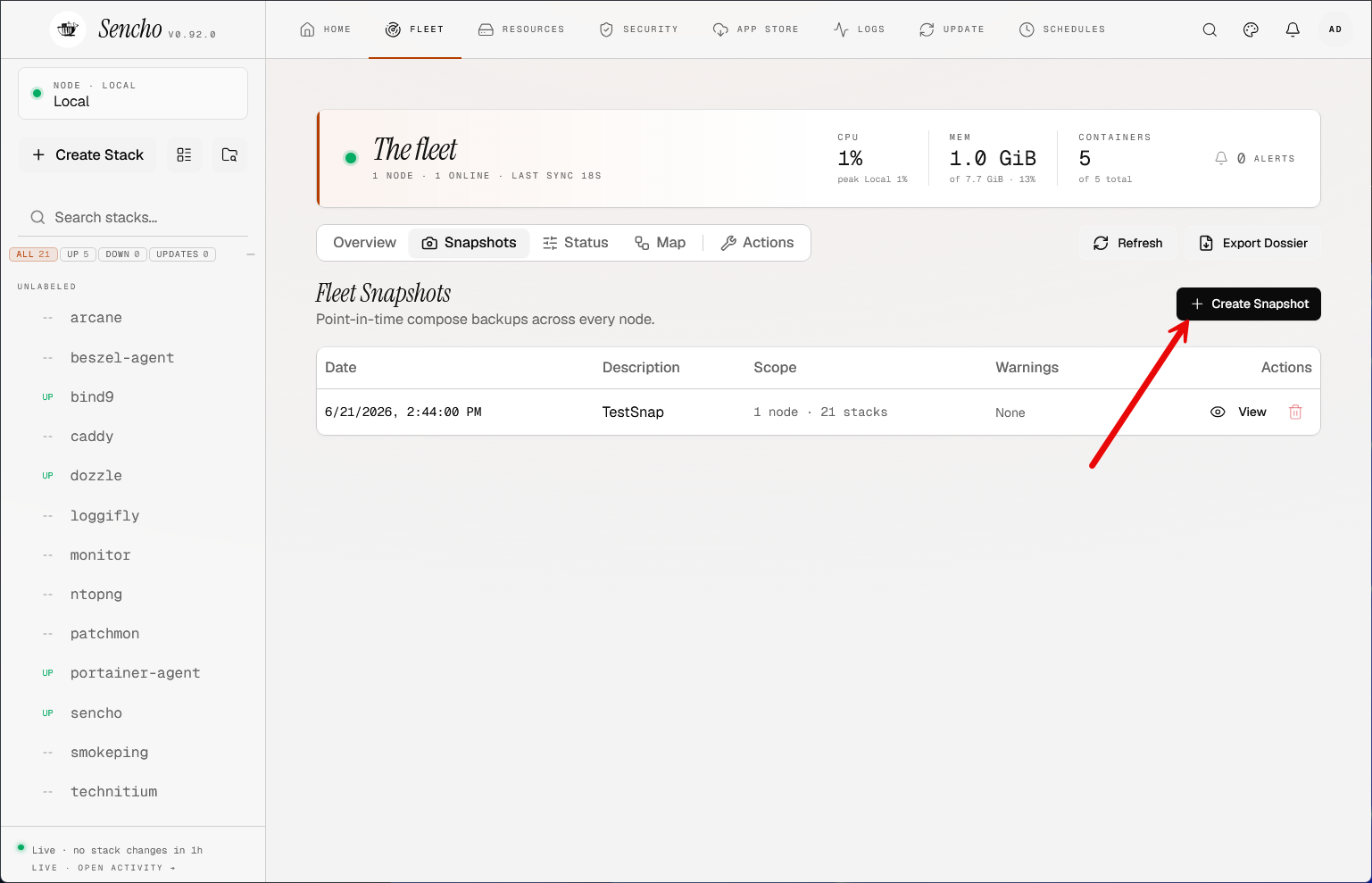
If your home lab is growing beyond a handful of containers, I think Sencho is one of the more interesting projects to keep an eye on with a fresh take on Docker Compose management that I really like and again many features that you don’t see in other ones out there.
Portabase
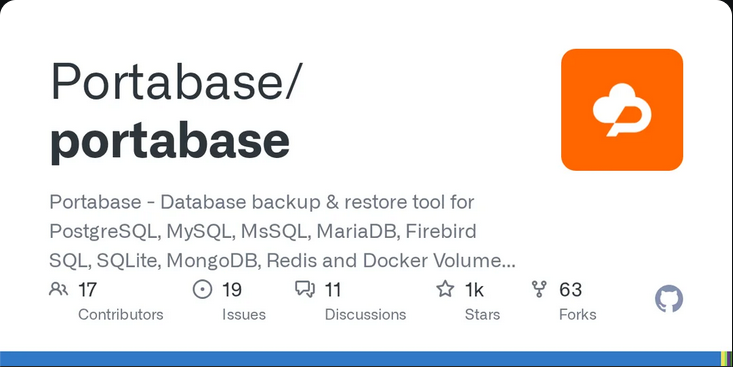
If you haven’t heard of it before, Portabase is an open source tool that simplifies the backups and restores of database instances. It works with the Portabase agents for managing getting your backups. There was an announcement I saw that caught my attention about Portabase adding Docker volume support.
As we know, your containers themselves are disposable, but the data they access and make use of, is not disposable. Your data is what you want to protect and there are a LOT of tools out there that backup Docker volumes, some better than others. I have tried many of them. This is where Portabase got on my radar.
If you want to use Portabase, which is well known for database backups, to backup your Docker volumes now, you can do that. According to the documented workflow, Portabase uses native Docker volume access to archive and backup your data. You can schedule your backups, you can route backups to specific storage and you have access to the Portabase restore processes.
It makes use of your Portabase agents that are installed close to your Docker server hosts. You then register your Docker volume database, and schedule the backups. As more and more home labs shift toward Docker Compose for running infrastructure services, you need to have good backups of your container’s persistent volumes.
Portabase is definitely one on my radar of solutions to keep a check on and see how it develops and matures over the coming weeks and months.
Incus
When Canonical changed the direction of LXD, many people wondered what would happen next. But, like so many developments similar to this, the community answers and out comes a great solution. The answer in this case was Incus.
The Incus community has continued developing a modern system container and VM platform that is focused on the open source ecosystem and community direction. I really like the direction of Incuse as it is in a unique space between virtualization and app containers.
I did a full writeup on IncusOS here: IncusOS Is the New Minimal Hypervisor OS Changing Home Labs in 2025.
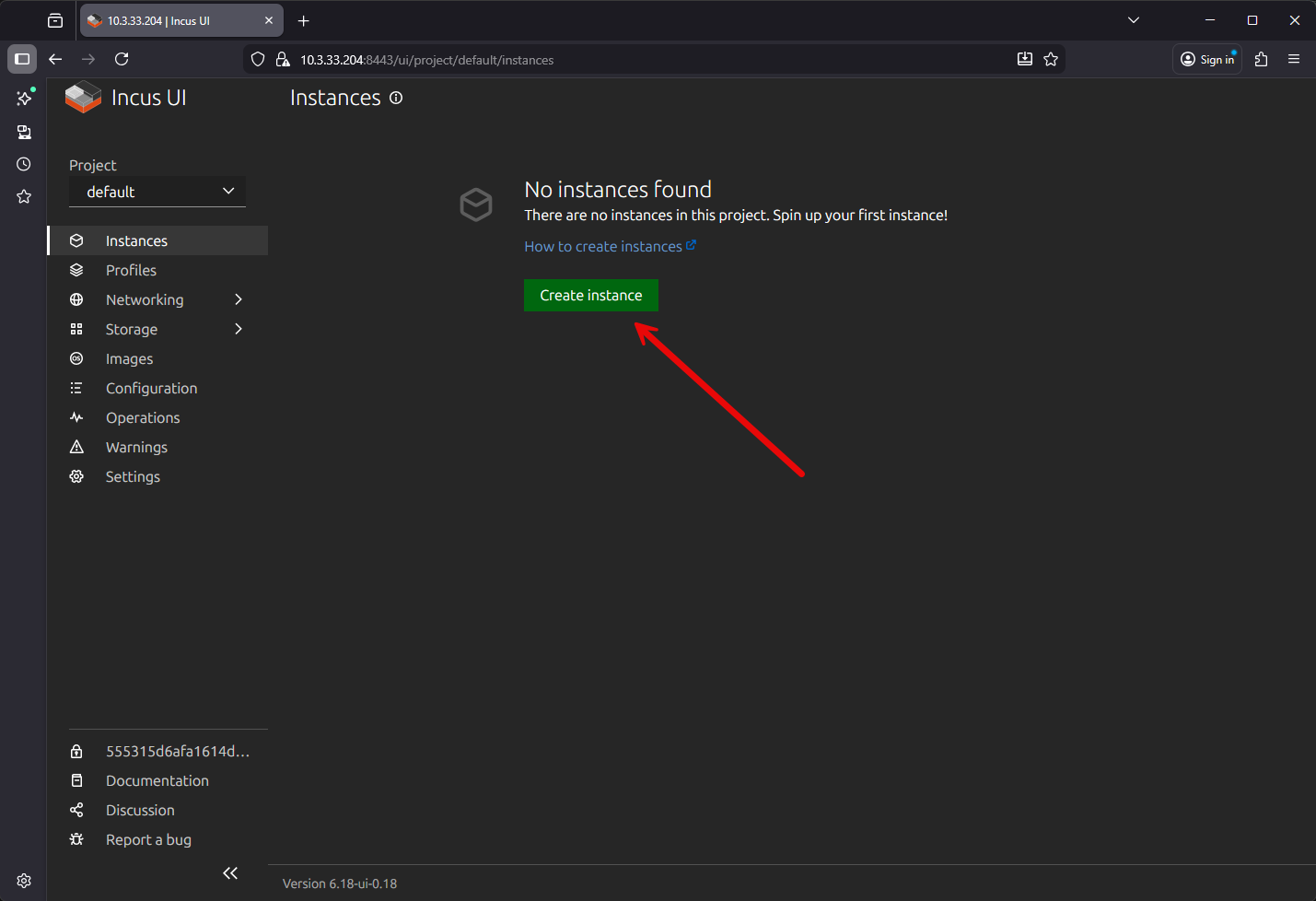
Rather than simply maintaining compatibility, the Incus community has continued developing a modern system container and virtual machine platform focused on openness and community governance.
I find Incus particularly interesting because it occupies a unique space between traditional virtualization and application containers. Most of the time in my opinion, full virtual machines are unnecessary. But docker containers might be too limited. Linux system containers are a great middle ground between teh two.
If you have workloads that benefit from running in a complete Linux userspace without needing to have the overhead of a full virtual machine, then Inucs is a serious contender here. Especially with the continued VMware fallout, many are exploring their options across all virtualization fronts.
Omni
The Sidero Omni project is one of the coolest pieces of software I have used and love how easy it is to manage my Kubernetes estate with it in the home lab, now that I am running Talos Linux Kubernetes. From a single pane of glass, Omni lets you perform lifecycle management tasks on your Talos Linux Kubernetes nodes very easily.
Check out my full walkthrough on how to get a self-hosted version of Omni up and running: How to Install Talos Omni On-Prem for Effortless Kubernetes Management.
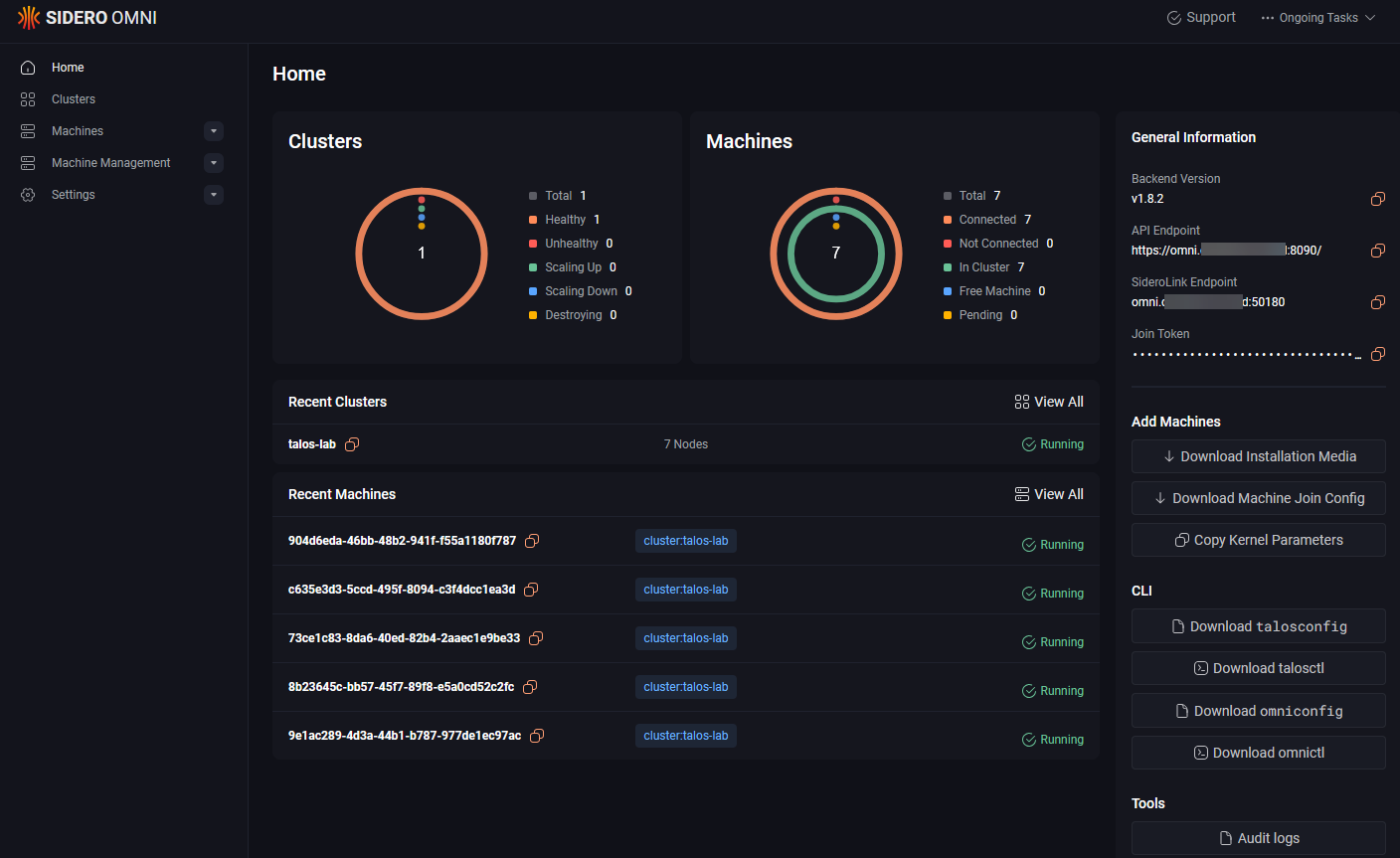
If you need to upgrade your Talos Linux hosts, this is a push-button operation. If you need to upgrade your Kubernetes version, this is also a push-button operation. It makes it super easy and very uneventful, which is definitely what you want when it comes to Kubernetes.
This is a project I continue to watch and see how it develops and matures over time and what new features will be adde tot the project. It is free to use in the home lab environment and I think unlocks the real potential of Talos Linux Kubernetes.
NetBird
NetBird is a solution that continues to gain traction, not only in the home lab space but in the enterprise. It is an open source zero trust solution that lets you connect remotely to resources in a zero trust way with identity-based ZTNA.
If you are like me, I am all in on zero-trust networking in the home lab and have been for quite some time now. The days of the traditional VPN are over since, even with VPN the attack surface is just too broad. Overlay ZTNA networking is where it is with security since you can microsegment what ones can get to based on their identity and that is key.
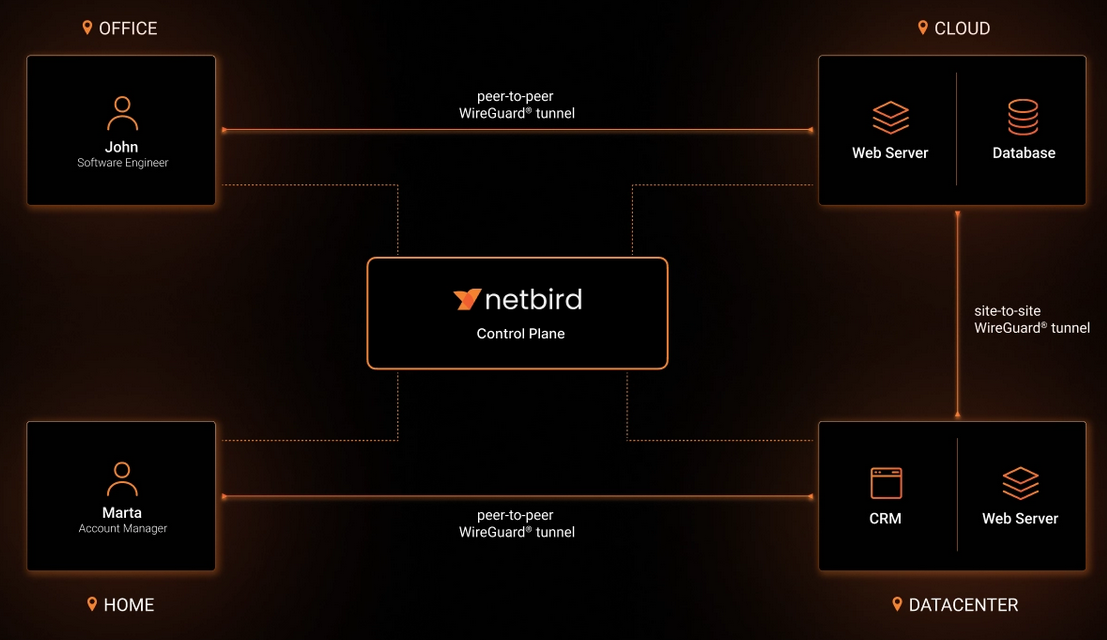
It combines WireGuard and centralized management into an open source solution. You can add your identity provider of choice and this gives you access controls and other tools you can use to lock things down with your VPN tunnels. You can connect home lab servers, cloud virtual machines, remote laptops, your phone, or something else. This is definitely a project to watch as secure networking will only come to be more important as time goes along.
Pangolin
Pangolin is another solution that I think defeinnitely is one to watch this year and beyond. Back in the day, exposing services to the Internet meant that we needed to cobble together various solutions like reverse proxies, firewall rules, DNS config, SSL, and many other things. Troubleshooting this meant looking across many different solutions and dashboards to find issues.
Check out my full walkthrough with Pangolin here: Why Pangolin is the one reverse proxy I’d pick if I was starting my home lab today.
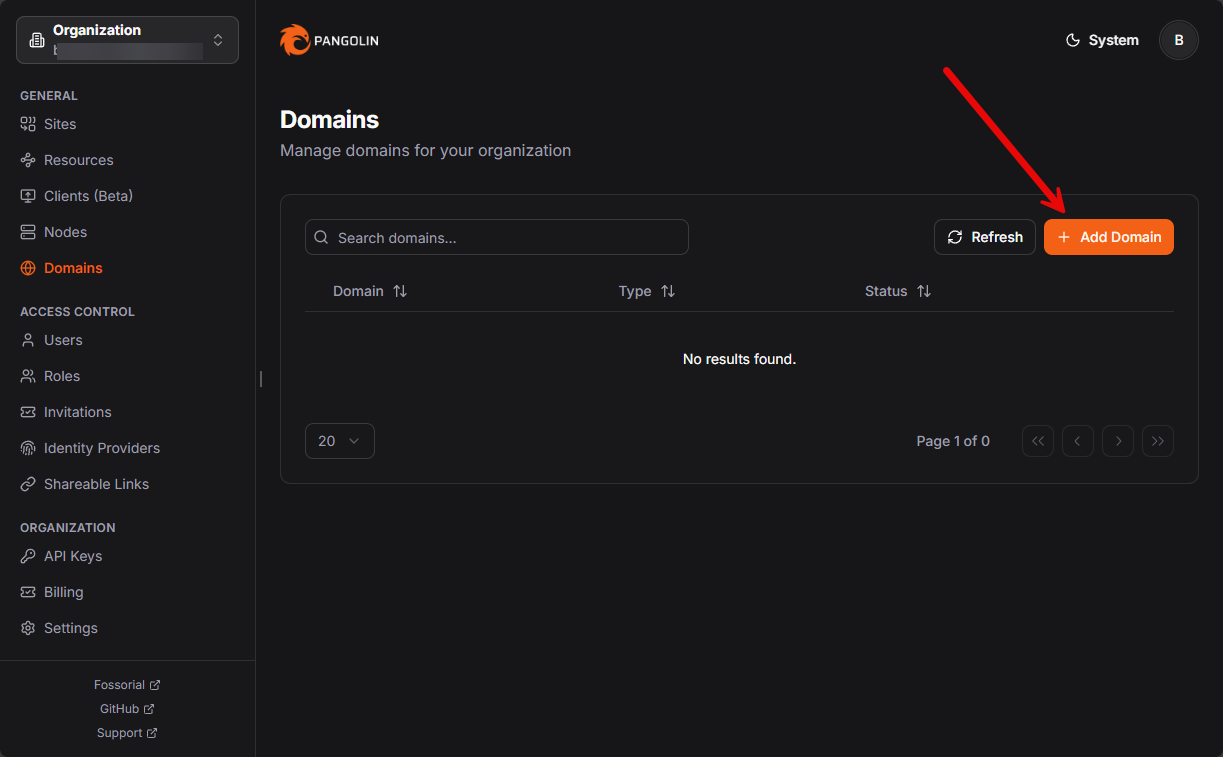
Pangolin focuses on securely publishing your self-hosted apps while it also helps to make things a lot simpler when it comes to the complexity involved to publish your apps. Granted, there are many players in this space today. There are other solutions like Cloudflare Tunnel, NetBird (we just mentioned), WireGuard, VPNs, Tailscale, etc.
All of these though have their own strengths and weaknesses. I like to see these projects like Pangolin that is approaching things differently and experimenting with new ways of doing things. Secure remote publishing is an area where I think we have been looking for someone to simplify the workflows and tasks on this front.
If Pangolin continues evolving at its current pace, I think we will see even more exciting things from the platform. So, it is definitely one to watch.
Why these projects matter
One thing stood out to me while putting this list together. All of these projects solve a real challenge, and that is key. That tells me something about where open source infrastructure is heading. The focus is moving away from just deploying software. Instead it is moving towards operating infrastructure more effectively and these projects show that.
| Project | The operational problem it solves |
|---|---|
| Pi-hole HA | Improves DNS reliability and high availability |
| Sencho | Makes Docker Compose management across your multiple home lab hosts easier |
| Portabase | Makes Docker volume backups easier along with your database backups |
| Incus | Great way to run system containers and lightweight virtualization |
| Omni | Helps you to reduce the complexity of managing Kubernetes with Talos Linux |
| NetBird | Makes secure networking and connectivity between systems easier |
| Pangolin | Makes security with self-hosted services much easier |
Wrapping up
A major less that I have learned over the years is you don’t have to deploy EVERY new project that appears on GitHub or Reddit. It is the opposite of that for me now. I look for things that will make my home lab more valuable and efficient. I would rather spend time looking at projects that help me solve problems than just spinning up projects, just because. The 7 projects we have detailed here are by no means the only exciting projects out there, but they are ones for me that hold real value and ones that I have been following closely. Hopefully this list will add a few to your watch list of technologies and open source stacks that can take your home lab to the next level.
More in this topic




Google is updating how articles are shown. Don’t miss our leading home lab and tech content, written by humans, by setting Virtualization Howto as a preferred source.
About The Author

Definitely not written by AI
Navynasa,
Thank you for pointing out the obvious! Definitely not AI. Hopefully the projects listed are some the community will find valuable 👌
Brandon
Hey Brandon, wanted to put dnsweaver on your radar. Small project I’ve been working on this year to automate dns for home labs. Check it out; I’m interested to hear your thoughts!
Excellent post! I really liked Omni. It looks incredibly useful for simplifying Talos Linux and Kubernetes lifecycle management, especially in a home lab environment. Definitely one I want to try!